
EDITORIAL REVIEW REQUIRED — EXPRESS DRAFT. This is an unpublished draft. Some claims may be unconfirmed. Check dates, sources, claims, photographs, and video rights before publishing.
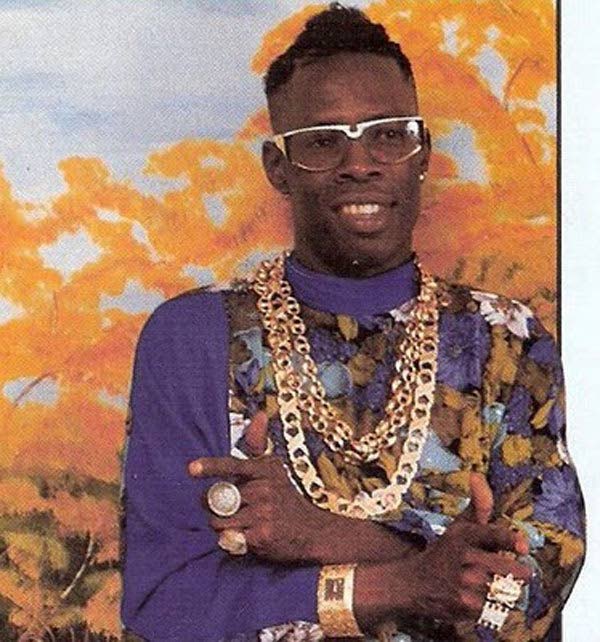
The legendary dancehall deejay Shabba Ranks has launched a legal challenge against Greensleeves Records’ publishing division, seeking to recover ownership of several of his most successful compositions. According to reporting in Billboard magazine, Shabba (born Rexton Gordon) filed the suit on September 11, targeting a slate of Billboard Hot 100 hits that defined his crossover appeal in the late 1980s and early 1990s.
At stake are the rights to "Slow and Sexy," "Housecall," "Mr Loverman," and "Let’s Get It On," alongside the 1990 track "Dem Bow"—a song that became the namesake for reggaetón’s defining rhythm and is itself entangled in an ongoing copyright dispute affecting the entire genre. The lawsuit hinges on copyright termination, a provision of U.S. copyright law that permits artists to reclaim their intellectual property decades after initially assigning it to publishers or labels.
Shabbba first signaled his intent to exercise this termination right in 2023, but Greensleeves declined, citing language in his 1989 publishing agreement that classified his compositions as "works made for hire." Under U.S. copyright law, such works are explicitly excluded from termination protections. Shabba’s legal team at Reitler Kailas & Rosenblatt is now challenging the validity of that classification, arguing that the compositions cannot legally be deemed works made for hire simply because a contract says so, particularly since Shabba was never an employee of Greensleeves and musical compositions are not recognized as a category eligible for work-made-for-hire status under the statute.
The dispute reflects a broader moment in music law, where copyright termination has become a flashpoint between artists and major rights holders. Salt-N-Pepa is currently battling Universal Music Group over similar termination rights, while all three major labels are pressing the Supreme Court to reverse a recent ruling that extended termination protections to overseas compositions. For Shabba, who rose from Seaview Gardens to become a Grammy-winning force in the late 1980s and early 1990s, the lawsuit represents a chance to reclaim ownership of the songs that helped establish his international legacy.
Shabba Ranks emerged as a dominant force in dancehall during the late 1980s and early 1990s, signing with Epic Records and achieving back-to-back Grammy Awards for Best Reggae Album with "As Raw As Ever" (1992) and "X-tra Naked" (1993). Both albums were certified gold by the Recording Industry Association of America, cementing his status as one of the genre’s most commercially successful artists.
This case carries significance for Caribbean artists and the broader diaspora music community, as it tests whether artists who signed publishing deals during the industry’s earlier eras can reclaim control of their catalogs. The outcome may set precedent for other reggae, dancehall, and Caribbean music creators navigating similar disputes with international labels and publishers.
Sources and attribution
- Jamaica Observer
- songsheets.co
- jamaicamusicatlas.com
- wikipedia.org
- worldmusicviews.com
- berklee.edu
- urbanislandz.com
CVCA Express Draft: verification pending; WordPress publication is manual.