
EDITORIAL REVIEW REQUIRED — EXPRESS DRAFT. This is an unpublished draft. Some claims may be unconfirmed. Check dates, sources, claims, photographs, and video rights before publishing.
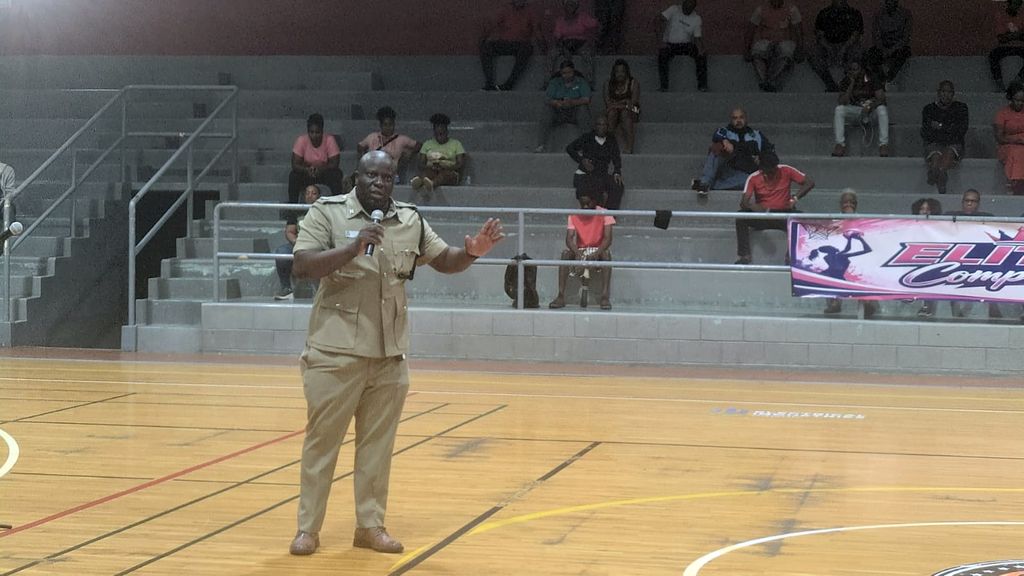
Residents of Maloney gathered at the Maloney Indoor Sporting Facility to hear from senior Trinidad and Tobago Police Service officers about the newly introduced Special Operations Act, which established a curfew in the area. According to the Trinidad Guardian, the meeting aimed to inform the community about the closed area designation and explain how residents could apply for permits to leave during curfew hours.
Despite police assurances that law-abiding residents seeking to leave during the 9 pm curfew for legitimate reasons would be permitted to do so, attendees raised multiple concerns. Resident Abbigale Noel questioned the clarity of the permit process and highlighted the challenges faced by elderly community members. Another resident employed by a fast food franchise noted that her work roster had been adjusted to prevent night shifts, which she said were more profitable, and sought clarification on how permits would accommodate employment needs.
Senior Superintendent Avalon Frank, head of the Northern Division North, responded by assuring residents that police would work with them to ensure the curfew did not significantly impact their livelihoods. He explained that permits would specify the times individuals were allowed to enter and leave the area based on their circumstances, and would remain valid until the operation concluded. During the meeting, resident Hugh Queeley was granted a permit on the spot by acting ASP Susan Wilkinson after presenting documentation for his need to leave three times weekly for medical appointments.
Tension escalated when another resident questioned the grounds for declaring Maloney a closed area, particularly noting that other neighbourhoods had experienced more violent incidents without similar lockdowns. The resident specifically referenced two murders in Couva as a comparison point. Acting Superintendent of the Northern Division Steve McKenzie responded that the TTPS would follow the law and maintain order, though his answer did not satisfy the crowd.
Throughout the meeting, which concluded by 8:35 pm, shouts and criticism from attendees persisted. Senior Superintendent Frank urged residents to allow officers to respond to questions. As the meeting ended, attendees formed lines to apply for permits before the curfew took effect, while police vehicles conducted patrols in convoy and officers stationed at the Churchill-Roosevelt Highway entrance requested identification from those entering the neighbourhood.
The Special Operations Act represents a law enforcement strategy employed in Trinidad and Tobago to address crime in designated areas through heightened police presence and movement restrictions. The Maloney operation followed a shooting incident in the neighbourhood, though according to the source, no murders resulted from that incident.
This story reflects ongoing tensions between Caribbean law enforcement and residents regarding public safety measures, permit systems, and the balance between security operations and community mobility—issues that resonate across Trinidad and Tobago and similar jurisdictions in the region.
Sources and attribution
- Trinidad Guardian
- Maloney ‘closed’: curfew on
- Legal Notice No. 848 Vol. 65, No. 185, 10th November, 2026
- Two police units set up to issue Maloney curfew permits
- CoP: Curfew permits at police post
CVCA Express Draft: verification pending; WordPress publication is manual.