
EDITORIAL REVIEW REQUIRED — EXPRESS DRAFT. This is an unpublished draft. Some claims may be unconfirmed. Check dates, sources, claims, photographs, and video rights before publishing.
Hurricane Polo is bearing down on Mexico’s Pacific coast, with the US National Hurricane Center forecasting a Monday landfall near Puerto San Carlos, a modest fishing community of roughly 6,000 residents in Baja California Sur. The storm, currently at Category 3 strength on the Saffir-Simpson scale, poses a serious threat to the region, according to reporting from AFP.
Authorities are bracing for significant damage across Mexico’s northwestern coast. The NHC has issued warnings of life-threatening winds and flash floods expected to sweep across Baja California Sur and Sonora states on Monday and Tuesday. A second landfall is also possible as the hurricane moves inland, compounding the risk of widespread flooding and destruction.
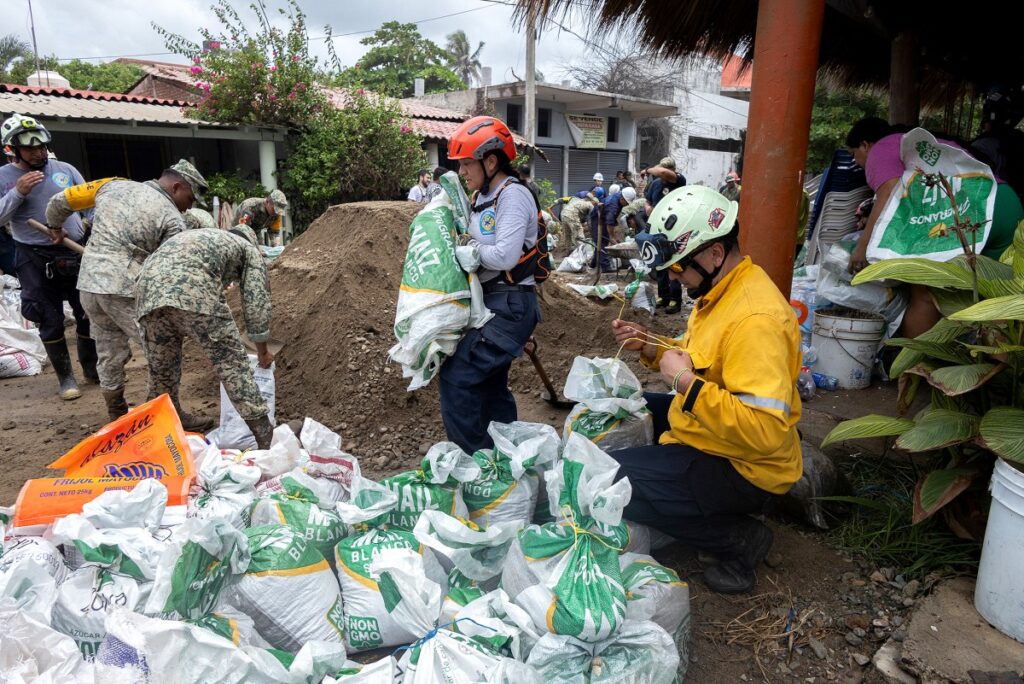
Preparations in Puerto San Carlos have been modest, with only a handful of homes and businesses reinforced with wooden boards as of Sunday. Local residents expressed cautious hope that the storm might spare them the worst of its fury. One 62-year-old waitress told AFP she was hoping the impact would be less severe, though she acknowledged that boarding up would likely happen in the hours before the hurricane arrived.
Polo’s rapid intensification has been striking. The storm strengthened from Category 1 to Category 5 on the Saffir-Simpson scale in less than 24 hours before weakening to its current Category 3 status. Meteorologists attribute the intensified storm season partly to El Niño conditions, which raise surface temperatures in the central and eastern equatorial Pacific Ocean and trigger global changes in wind and rainfall patterns.
Mexico faces hurricane threats regularly, with storms typically striking both the Pacific and Atlantic coasts between May and November. The current season has proven particularly active, with El Niño amplifying the conditions that fuel tropical cyclone development across the region.
El Niño is a cyclical climate phenomenon that raises sea surface temperatures in the equatorial Pacific and causes global shifts in wind and rainfall patterns, often resulting in erratic weather conditions worldwide. Mexico’s hurricane season typically runs from May through November, with storms affecting both the Pacific and Atlantic coasts annually.
Sources and attribution
CVCA Express Draft: verification pending; WordPress publication is manual.