
EDITORIAL REVIEW REQUIRED — EXPRESS DRAFT. This is an unpublished draft. Some claims may be unconfirmed. Check dates, sources, claims, photographs, and video rights before publishing.
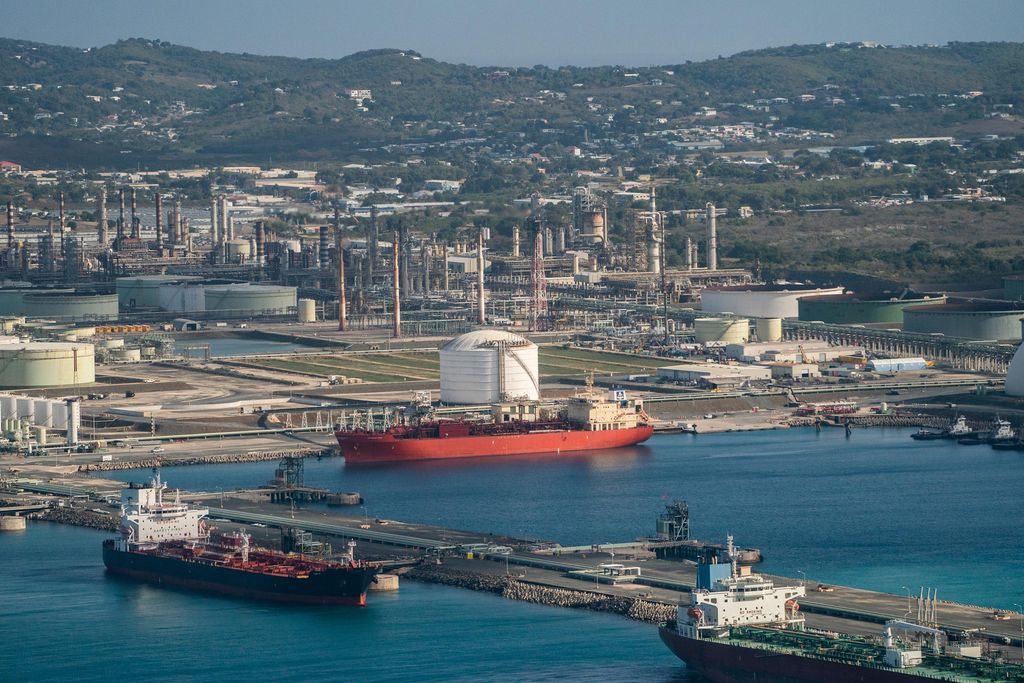
The Trinidad and Tobago government has committed to restarting the Guaracara refinery, framing the project as a pathway to economic revitalization and job creation. According to the Trinidad Guardian, Finance Minister Davendranath Tancoo stated the objective is to "secure a credible, commercially viable and fully financed arrangement that protects the national interest while creating the conditions for renewed economic activity."
Energy Minister Dr Roodal Moonilal has outlined a five-part approach that emphasizes legal compliance, attracting global investors, protecting public safety, shifting financial risk to private operators rather than taxpayers, and leveraging the nation’s existing pool of refinery expertise. The government plans a phased restart, with some product lines potentially operational within six months of deal closure and regulatory approvals. Investors from India, Africa, Europe, the Caribbean, and North America have expressed interest, driven by global fuel shortages and U.S. energy security concerns.
Yet significant gaps remain in public understanding of how the restart will be managed. The Restart Committee, led by former Energy Minister Kevin Ramnarineand including former Petrotrin executives and technical specialists, conducted the initial viability assessment—but its report has never been made public, and citizens have had no opportunity to review its findings critically. Notably, no committee member possessed direct experience restarting refinery assets idled for over seven years.
A detailed analysis in the Trinidad Guardian raises eight pressing questions the Ministry of Energy should address. These include the identities and qualifications of the evaluation team leading the restart, who drafted the Request for Proposals, the current status of the bidding process, the preferred business model, the Ministry’s capacity to regulate the operation, enforcement of environmental laws, union representation guarantees, and whether Trinidad and Tobago truly possesses the local expertise required—given Petrotrin’s historical poor work culture and performance issues documented by external auditors.
The analysis underscores a fundamental tension: while restarting the refinery is technically feasible, the critical question is whether it can be managed safely, reliably, and profitably over a 15- to 20-year investment cycle across changing administrations without placing massive financial risks on taxpayers. Without transparent answers to these questions, public confidence in the project remains uncertain.
The Guaracara refinery, located in Marabella, was operated by Petrotrin before the company ceased refining operations in 2018. The facility has remained idle for several years. Petrotrin itself faced significant operational and financial challenges, including a $95 million loss at its NiQuan subsidiary, which informs current government insistence that private investors—not taxpayers—bear financial risk in any restart arrangement.
The Guaracara refinery restart carries implications for the broader Caribbean energy landscape. Trinidad and Tobago’s energy sector has historically been central to the nation’s economy and regional influence. A successful restart could affect regional fuel supply dynamics, employment patterns, and investment flows across the Caribbean, while failure could serve as a cautionary lesson for other regional energy projects.
Sources and attribution
- Trinidad Guardian
- T&T Government Plans to Reopen Petrotrin Oil Refinery
- T&T Government Seeking Regional and International …
CVCA Express Draft: verification pending; WordPress publication is manual.