
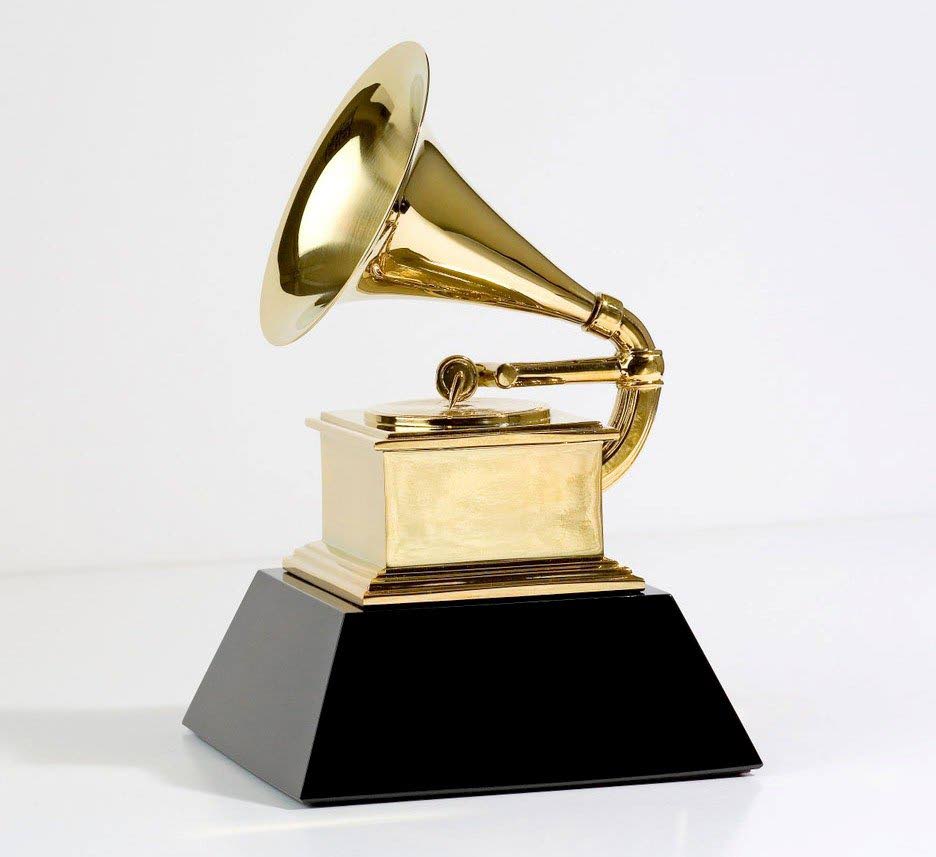
The 69th Grammy Awards reggae category nominations, announced November 16, sparked considerable backlash on social media after several prominent dancehall albums failed to make the cut. Albums including God and Time by Vybz Kartel, Eminence by Beenie Man, Heights of Fire by Capleton, Forever Reign by Masicka, and NP T by Alkaline were notably absent from the final list, according to the Jamaica Observer. The snub has reignited a longstanding debate about how the Recording Academy treats dancehall music within its reggae category.
Industry responses have split into two camps. Some advocates, including entertainment attorney Lloyd Stanbury, argue that dancehall has evolved into a distinct global genre that deserves its own Grammy category. Stanbury told the Observer that dancehall has "earned and deserves its own standalone category in the Grammys," and called for greater representation of reggae and dancehall creatives within the Recording Academy’s voting membership. Music producer and industry veteran Ralston Barrett echoed this sentiment, describing the current arrangement as "a slap in the face to dancehall music" and noting that dancehall appears more vibrant than reggae in the contemporary landscape.
Others have proposed a middle path: renaming the Best Reggae Album category to Best Reggae/Dancehall Album, an approach Canada’s JUNO Awards adopted for its 2027 staging. However, practical concerns temper the enthusiasm for a separate category. The Best Reggae Album category, established in 1985, faced potential elimination years ago due to low submissions, though this year saw 119 entries compared to 73 the previous year. Music executive and former Grammy reggae committee chair Cristy Barber countered assertions that dancehall was entirely excluded, noting that three deejays—Buju Banton, Shaggy, and Runkus—were nominated, representing a dancehall presence within the category.
Barrett and Stanbury both emphasized that the industry must strengthen its own infrastructure to make a compelling case for change. Barrett stressed the need for more dancehall albums of Grammy-eligible quality, better marketing and networking, and greater participation from Jamaican music professionals in the Recording Academy. Stanbury similarly called for creatives to approach their work "as serious business" and build support teams with qualified personnel. Music executive Ce’Cile, a Recording Academy member, reminded the Observer that the Grammys are not obligated to respond to annual nomination controversies, and questioned whether the local industry has adequately supported its own award shows.
The Best Reggae Album Grammy category has been a fixture since 1985, serving as the primary international recognition platform for reggae and dancehall music. Dancehall, which emerged from reggae roots in Jamaica during the 1980s, has grown into a globally influential genre with its own distinct production style, lyrical approach, and cultural identity. Historically, dancehall artists including Shabba Ranks, Beenie Man, Sean Paul, Buju Banton, and Shaggy have won the Best Reggae Album award, though the category’s name has not been updated to reflect the genre’s evolution.
This debate directly affects Jamaica’s music industry and the international recognition of Caribbean artists. The Grammy Awards remain the most prestigious global music honors, and how they categorize and celebrate reggae and dancehall shapes both the commercial viability and cultural prestige of these distinctly Jamaican genres. The outcome of this discussion could influence how other international award bodies recognize Caribbean music.
Sources and attribution
- Jamaica Observer
- Grammys 2027: 119 Albums Enter the Best Reggae Album Race as First- …
- Should Dancehall Have Its Own GRAMMY Category? Snubs of Vybz Kartel, Beenie Man, Masicka and More Spark Debate – DancehallMag
- Buju Banton Leads 2027 Reggae Grammy Field | ReggaeEDM
- Reggae and Dancehall Fans Weigh In on Possible 2027 GRAMMY Nominees – DancehallMag