
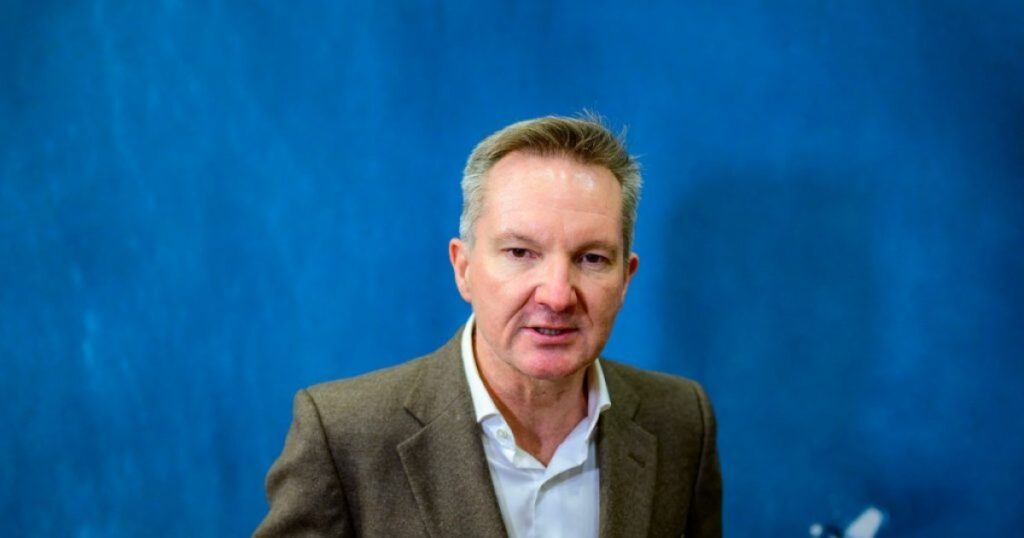
The COP31 climate summit in Turkey has spilled into the weekend as countries clash over how—or whether—to address fossil fuels in a binding agreement. According to the Jamaica Observer, nearly 200 nations remain locked in negotiations after two weeks of talks in Antalya, with fundamental disagreements over energy transition, climate finance, and the role of science in shaping climate policy.
The dispute centers on a draft agreement that initially called for faster fossil fuel phase-outs, only to have that language stripped away in a revised version released Thursday. The move prompted an immediate backlash from a coalition of European and developing nations, including Panama and the Solomon Islands, who released a joint letter Friday demanding the deal include "a clear transition away from fossil fuels." Panama’s environment minister, Juan Carlos Navarro, has become a vocal flashpoint in the talks, accusing a "petroleum mafia" of blocking progress and threatening to walk away entirely.
Australia, which is presiding over the negotiations, has proposed an alternative framework centered on "electrification"—replacing fossil fuel-dependent technologies with electric alternatives—with a target of meeting 35 percent of global energy demand through electricity by 2035. However, critics note the proposal does not mandate that this electricity come from renewable sources, leaving room for coal and gas-fired power plants to supply the grid. Some nations have also rejected proposals to expand carbon capture technology, viewing it as a costly distraction that could allow polluters to continue burning fossil fuels under the guise of offsetting emissions.
Beyond fossil fuels, negotiators remain divided over climate finance, with developing nations accusing wealthy countries of failing to meet their obligations to help poorer nations adapt to climate change. Ghana’s environment minister, Zanetor Agyeman-Rawlings, made clear the continent will not accept "declarations without the resources to deliver them." A third draft is expected Saturday as negotiators race to find common ground before the talks collapse entirely.
COP31 follows a series of climate-linked disasters across Europe, Nepal, and Indonesia, occurring as a super El Niño pattern increases the risk of extreme weather. The summit also unfolds amid an oil price shock and geopolitical tensions stemming from the war in Iran, both of which have dampened expectations for a major breakthrough.
Panama’s prominent role in these negotiations and its threat to walk away reflects the Caribbean region’s acute vulnerability to climate change and its frustration with wealthy nations’ reluctance to phase out fossil fuels. Small island developing states, including Solomon Islands delegates present at COP31, share existential concerns about rising sea levels and extreme weather—issues that directly threaten Caribbean nations’ survival and economic stability.
Sources and attribution
- Jamaica Observer
- COP31 deal elusive as fossil fuel fight deepens
- Nations demand fossil fuel cuts as UN climate talks COP31 are wrapping up in Turkiye
- How two words could derail the world’s biggest climate conference | CNN
- Fossil fuels scrubbed from draft UN climate deal
- World is being 'held hostage by oil mafia': How one tiny country is putting …
- COP31: Betting on electricity to break the climate deadlock