
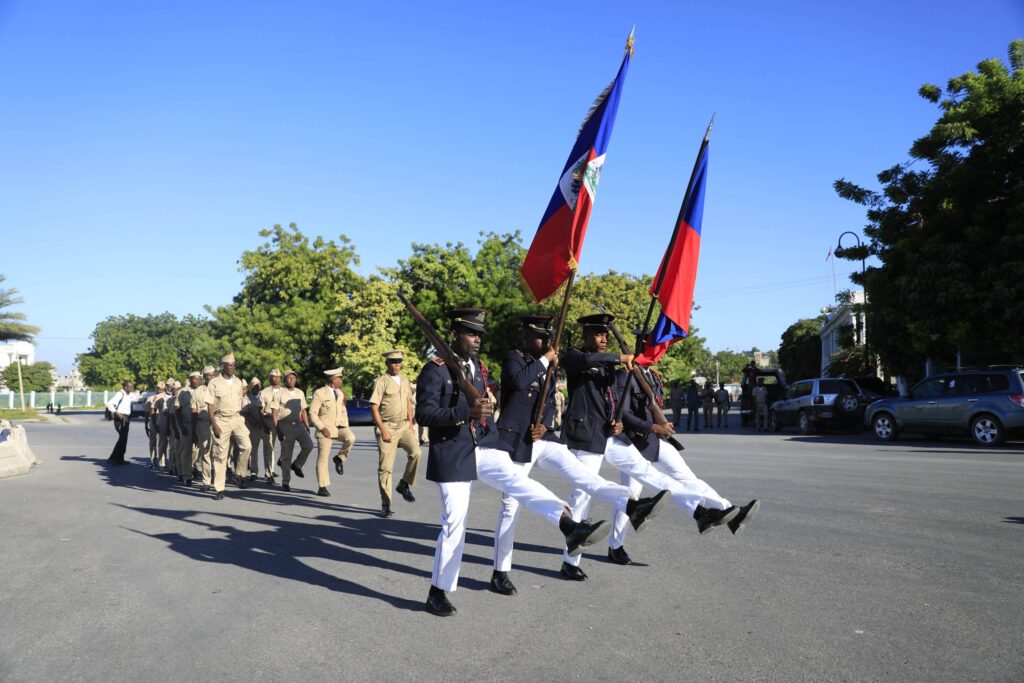
More than a decade of resistance by enslaved and formerly enslaved people culminated on November 18, 1803, when Haitian revolutionary forces under General Jean-Jacques Dessalines defeated French troops at the Battle of Vertières near Cap-Haïtien. According to The Haitian Times, the victory ended France’s final major effort to maintain control over Saint-Domingue, its most profitable Caribbean colony, and cleared the way for Haiti to declare independence less than two months later.
The Haitian Revolution had begun in 1791 when enslaved people in the northern region launched an uprising that evolved into a broader struggle against colonial rule. By 1802, French Emperor Napoléon Bonaparte sent an expeditionary force under General Charles Leclerc to restore French authority and reestablish slavery, reversing the colony’s earlier abolition of the institution. After Leclerc’s death from yellow fever, General Donatien de Rochambeau took command and intensified military operations against the revolutionaries. By late 1803, French forces had been severely weakened by disease, military losses, and dwindling resources, with their remaining stronghold centered around Cap-Français, now Cap-Haïtien.
The battle itself became legendary in part through the actions of General François Capois, known as Capois-La-Mort or "Capois-Death." According to the source, Capois led repeated assaults against heavily fortified French positions despite intense artillery fire. During one attack, a cannonball struck his horse, yet he continued on foot, rallying his soldiers and pressing forward against the French defenses. His determination became an enduring symbol of Haitian courage and resistance.
Dessalines also deployed reinforcements under commanders including Louis Gabart and Jean-Philippe Daut, whose forces helped secure strategic positions and intensify pressure on French defenses. By the end of the fighting, the French position had become untenable. Rochambeau sought terms of surrender, and on November 19, 1803, French forces agreed to evacuate the colony.
On January 1, 1804, Dessalines proclaimed Haiti’s independence in Gonaïves, restoring the name Haiti to the country. The declaration established a nation born from the defeat of slavery and colonial rule, making Haiti the first independent Black republic and the first nation to gain independence through a successful revolution led by enslaved people. The victory inspired freedom movements and resistance across the Atlantic world, challenging both slavery and colonial power far beyond the Caribbean.
Today, November 18 is commemorated as a national holiday in Haiti, honoring the country’s military heritage and the people who fought for its freedom. For Haitians at home and across the diaspora, the Battle of Vertières represents the struggle for freedom, sovereignty, and self-determination—a reminder that Haiti’s independence was won through collective resistance and sacrifice, not granted by a colonial power.
The Haitian Revolution began in 1791 as an uprising of enslaved people in Saint-Domingue, the French colony that would become Haiti. The conflict lasted more than a decade, with enslaved and formerly enslaved people fighting against slavery and French colonial domination. In 1802, Napoleon Bonaparte attempted to reassert French control and reestablish slavery, but Haitian revolutionary forces under General Jean-Jacques Dessalines successfully resisted this effort.
The Battle of Vertières represents a foundational moment in Caribbean history and identity. Haiti’s victory established the first independent Black republic in the Western Hemisphere and demonstrated that enslaved people could overthrow colonial rule and establish a sovereign nation. For Caribbean peoples and the diaspora, Haiti’s independence challenged the institution of slavery and colonial power across the region and the Atlantic world, making it a defining reference point for freedom, resistance, and self-determination throughout the Caribbean.
Sources and attribution
- The Haitian Times
- The 1802 Expedition to Saint-Domingue (Haiti) and the Louisiana Purchase
- Battle of Vertières, 1803: Haitian Revolution's last battle – Echoes of Battle
- Leclerc Expedition to Saint-Domingue and the Independence of Haiti …oxfordre.com › display › acrefore › acrefore-9780199366439-e-743 › acr…
- Haiti (08/07) – State.gov
- "Napoleon, the dark side" > Napoleon and Santo Domingo …