
EDITORIAL REVIEW REQUIRED — EXPRESS DRAFT. This is an unpublished draft. Some claims may be unconfirmed. Check dates, sources, claims, photographs, and video rights before publishing.
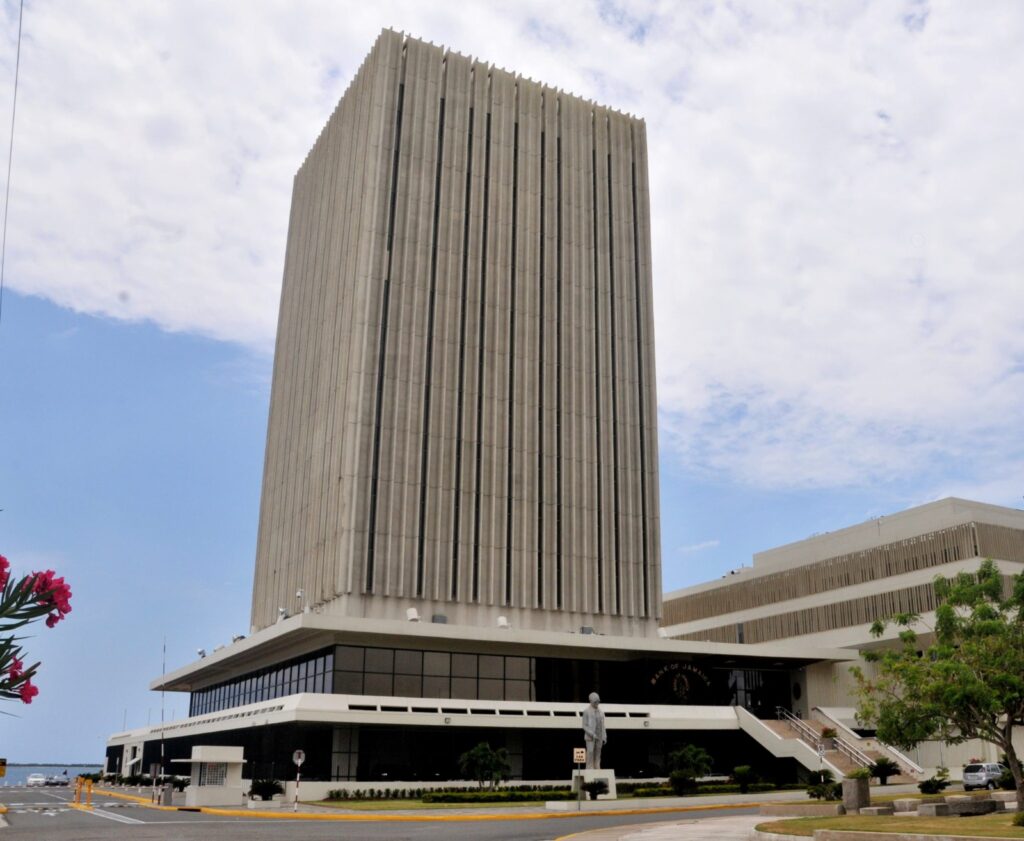
The Bank of Jamaica moved decisively this week to tighten monetary policy, increasing its benchmark policy rate by half a percentage point to 6.5 percent effective Thursday. The decision, announced by the central bank’s Monetary Policy Committee, represents the second consecutive monthly rate hike as officials grapple with inflation that continues to outpace their comfort zone.
While headline inflation did ease modestly to 8.2 percent in October from 8.6 percent the previous month, according to Jamaica’s Statistical Institute, the improvement masks deeper concerns. Core inflation—which strips out volatile food and fuel prices—actually rose to 5.4 percent from 5.3 percent, suggesting that higher agricultural and energy costs are beginning to ripple through processed foods and services. Year-over-year, inflation remains nearly three times the 2.9 percent level recorded a year earlier.
The central bank attributed the persistent price pressures to rising food costs, transportation expenses, and electricity rates. In its statement, the BOJ acknowledged that inflation could remain above its target range until late 2027, a longer timeline than previously expected. The committee also flagged geopolitical risks—Middle East tensions and the Russia-Ukraine conflict—along with worsening agricultural conditions tied to an intensifying El Niño phenomenon, as potential headwinds that could further stoke inflation expectations and squeeze consumer purchasing power.
Despite these headwinds, the BOJ expressed confidence that the rate increases implemented to date should ultimately bring inflation back within target. The policy rate itself represents the interest the central bank pays to deposit-taking institutions on balances held in their accounts, a key tool for influencing broader lending and borrowing conditions across the financial system.
Jamaica has faced elevated inflation in recent months, driven by global supply chain disruptions, energy price volatility, and domestic cost pressures. The Bank of Jamaica’s Monetary Policy Committee uses the policy rate as its primary tool to influence economic activity and price stability, with rate increases designed to cool demand and moderate inflation over time.
Jamaica’s inflation battle reflects broader Caribbean economic challenges, as island economies remain vulnerable to global commodity price swings, geopolitical shocks, and climate-related agricultural disruptions. The BOJ’s policy decisions directly affect borrowing costs for businesses and households across Jamaica, influencing everything from mortgage rates to consumer credit availability—dynamics that resonate across the Caribbean region where similar central banks face comparable inflationary pressures.
Sources and attribution
- Jamaica Observer
- Summary of Decisions – November 2026
- Higher borrowing costs ahead as BOJ raises benchmark policy rate to 6.5%
CVCA Express Draft: verification pending; WordPress publication is manual.