
EDITORIAL REVIEW REQUIRED — EXPRESS DRAFT. This is an unpublished draft. Some claims may be unconfirmed. Check dates, sources, claims, photographs, and video rights before publishing.
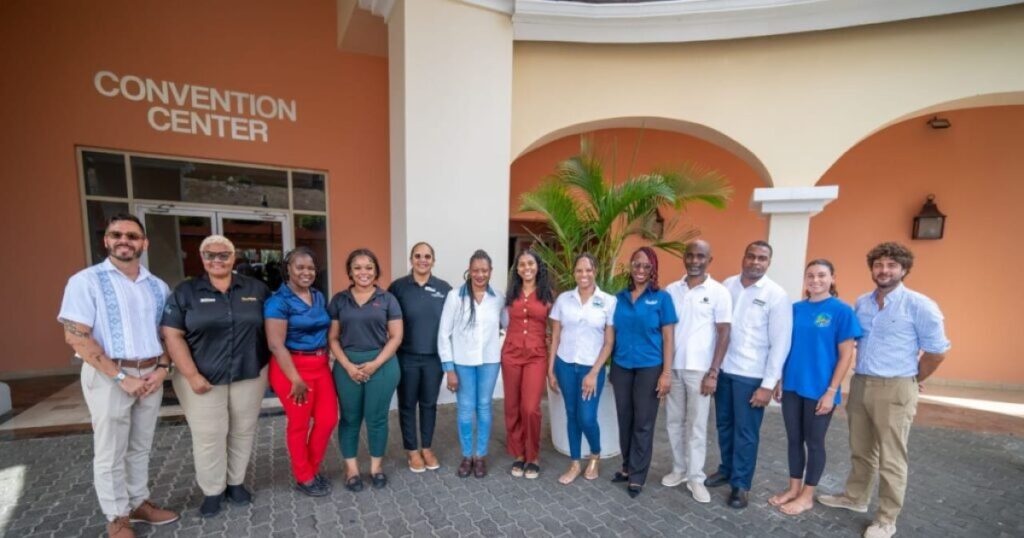
Jamaica’s tourism and fishing sectors are moving closer together through an ambitious new partnership that could reshape economic opportunities for fishing communities across the island. According to the Jamaica Observer, representatives from Sandals Resorts International, Jamaica Inn, Grand Palladium, and Iberostar have begun developing the Blue Alliance, a collaborative initiative aimed at expanding local fishers’ access to the lucrative hotel market while ensuring guests enjoy authentic Caribbean seafood.
The partnership remains in its early stages, with hotel representatives working to understand the specific needs of fishing communities before finalizing commitments. Jareth Vermeulen, destination stewardship representative for Iberostar Hotels & Resorts in Jamaica and Aruba, indicated that the group hopes to sign a memorandum of understanding by April. The alliance extends beyond seafood sourcing to encompass broader sustainability goals, including waste management and responsible tourism practices across participating operators.
A critical focus of the Blue Alliance is addressing infrastructure and supply chain barriers that have historically prevented fishers from reliably serving the hospitality sector. According to the Jamaica Observer, cold storage and supply chain traceability emerged as priority issues during stakeholder workshops. Georgia Scarlett, environmental manager at the Sandals Foundation, emphasized that fishing communities face multifaceted challenges requiring tailored support, from resource constraints to climate pressures affecting fish stocks.
The initiative builds on existing conservation work by participating hotels, particularly the Sandals Foundation’s long-standing management of marine-protected areas and support for fishing communities through training and equipment provision. The broader Blue Foods sector—encompassing foods derived from aquatic animals, plants, and algae—has become a focal point for Jamaica’s sustainable development strategy, with stakeholders recognizing opportunities to strengthen value chains while protecting marine resources.
Hotel representatives emphasized that the partnership aims to benefit all stakeholders: guests enjoying local cuisine, fishers gaining market access and income stability, and Jamaica’s tourism and fishing industries building resilience. Mitzie Smart, social responsibility manager at Grand Palladium Resorts & Spa, noted that the hotel currently sources fish through suppliers like Caribbean Producers Jamaica and Rainforest Seafoods, but seeks to expand direct relationships with local fishers. The alliance represents a shift toward more intentional, mutually beneficial connections between two sectors that have historically operated in relative isolation.
Jamaica’s Blue Foods sector encompasses foods derived from aquatic animals, plants, and algae. The tourism industry represents a significant market opportunity for local fishers, yet structural barriers—including limited cold storage infrastructure, inconsistent supply quality, and weak traceability systems—have historically limited direct partnerships between fishing communities and hotels. Climate change, declining fish stocks, and overfishing have intensified pressure on fishing livelihoods, making market diversification and infrastructure investment increasingly urgent.
This initiative demonstrates how Caribbean tourism operators can leverage their market power to strengthen local fishing economies and food security. The Blue Alliance model offers a potential template for other Caribbean nations seeking to integrate their hospitality sectors with sustainable local fisheries, supporting fisher livelihoods while reducing food import dependence and enhancing the authenticity of the Caribbean tourism experience.
Sources and attribution
CVCA Express Draft: verification pending; WordPress publication is manual.