
Jamaica’s lignum vitae, the nation’s official flower, stands at a crossroads. Once abundant across the island, this iconic species—renowned for its exceptionally hard and durable wood—now faces a precarious future threatened by years of overexploitation, habitat loss, and land degradation, according to the Jamaica Observer.
The lignum vitae holds deep significance in Jamaica’s national identity and cultural heritage. Yet despite its status as a treasured symbol of the island’s natural beauty, population numbers have declined markedly, raising alarm among environmental advocates and policymakers alike.
Recognizing the urgency of the situation, the National Environment and Planning Agency (NEPA) has made protecting the lignum vitae a conservation priority. The species is subject to international trade restrictions under the Convention on International Trade in Endangered Species of Wild Fauna and Flora (CITES), underscoring its vulnerable status globally.
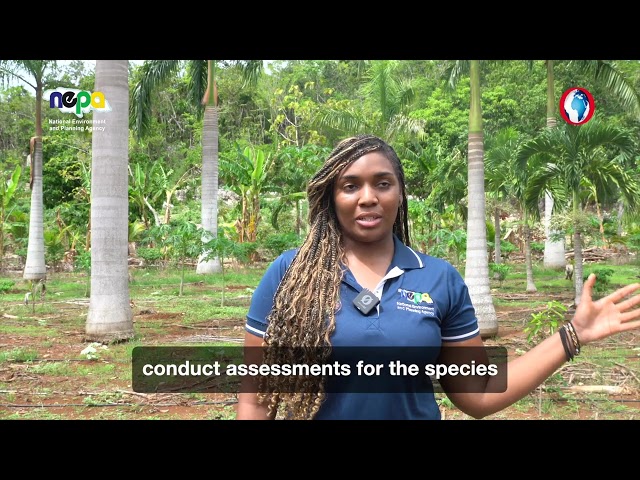
NEPA’s Environmental Officer for Flora, Ashleigh Sanderson, has been leading efforts to understand and address the threats facing Jamaica’s national flower. The agency is employing a multi-pronged approach that includes population surveys to assess the extent of the decline, developing comprehensive conservation action plans, and implementing environmental protection measures across the island.
These initiatives reflect a broader commitment to preserving not only the lignum vitae but other threatened plant species throughout Jamaica. As the Jamaica Observer reported, NEPA’s work underscores the critical need for sustained action to ensure that this emblematic species survives for future generations.
The lignum vitae has long been central to Jamaica’s ecological and cultural landscape. Its exceptional durability made it historically valuable for timber, contributing to the pressures that have depleted wild populations. International protections through CITES recognize the species’ endangered status globally.
As Jamaica’s national flower and a symbol of Caribbean natural heritage, the lignum vitae’s survival matters to Jamaicans and the broader Caribbean diaspora invested in preserving the region’s unique biodiversity and cultural identity. Conservation efforts signal Jamaica’s commitment to environmental stewardship.