
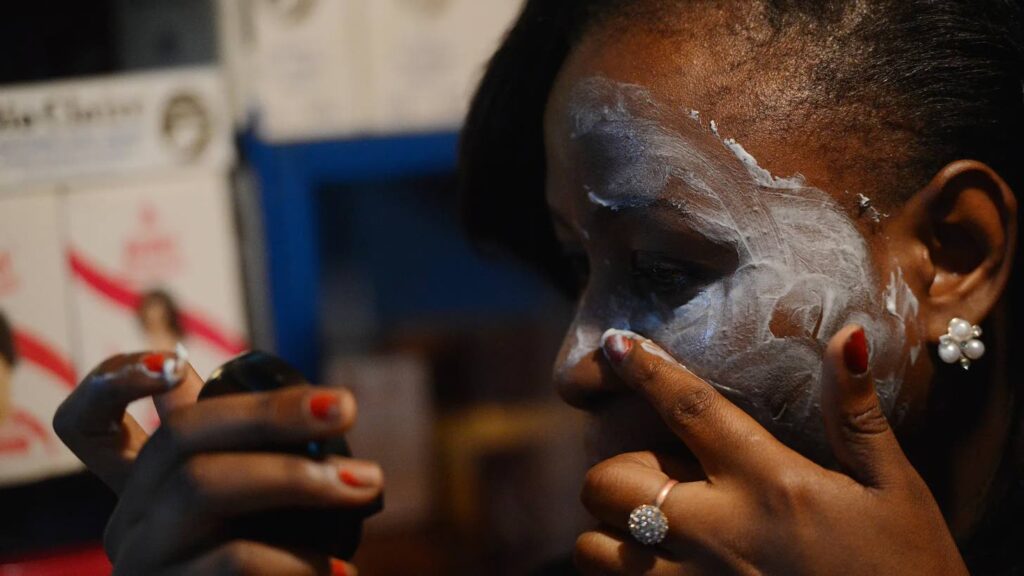
Jamaican ophthalmologists are raising urgent concerns about the hidden health costs of skin-bleaching practices, presenting research that links topical skin-lightening agents to significant eye complications. According to the Jamaica Observer, Consultant Ophthalmologist Dr Camara Brown and Ophthalmology Resident Dr Courtnay Vaughan delivered their findings at the 19th Annual Clinical and Scientific Conference held at Kingston Public Hospital on November 22, themed around the institution’s 250-year history of service to Jamaica.
The doctors’ research examined 16 patients aged 36 to 63 who had used skin-lightening products for periods ranging from one to 30 years. The findings were striking: 62.5 percent of the group developed glaucoma, while patients also presented with cataracts, macular edema (fluid buildup in the central retina affecting sharp vision), preseptal cellulitis, and lid lesions. Dr Brown noted that the macular edema diagnosis was particularly unexpected, as was the high prevalence of glaucoma in the sample—one of the largest patient datasets on this issue in published medical literature.
Beyond the immediate eye health concerns, the research uncovered a troubling cycle of dependency. Dr Brown explained that many patients struggle to discontinue use of the bleaching creams because stopping triggers severe skin inflammation and redness—a condition dermatologists call topical steroid withdrawal syndrome or "redman" syndrome. This rebound effect often forces users back to the products, creating a self-perpetuating cycle of exposure and potential harm.
Dr Vaughan emphasized that while the study cannot yet establish direct causation or measure disease prevalence across the broader user population, the evidence demands action. She called for early exposure history-taking in clinical settings, appropriate ophthalmology assessments, and sustained public education campaigns. Dr Brown added that partnerships with influential community figures could help reach wider audiences with critical health information, though she acknowledged that some long-term users remain skeptical of the connection between their skin-lightening habits and eye problems.
The presentation signals a growing recognition among Jamaican medical professionals that skin bleaching carries systemic health consequences extending far beyond cosmetic concerns. As referrals between ophthalmology and dermatology departments increase, the doctors are advocating for further research and coordinated public health messaging to address what remains a widespread practice in Jamaica and across the Caribbean.
Skin bleaching has long been a contentious practice in Jamaica and throughout the Caribbean, driven by complex historical, social, and cultural factors rooted in colonial legacies and colorism. The use of skin-lightening products remains prevalent despite known dermatological risks, making this research into ocular complications a significant addition to the growing body of evidence about the broader health impacts of these products.
This research is directly relevant to Caribbean audiences, as skin bleaching remains a widespread practice across the region despite documented health risks. The findings underscore the need for Caribbean-wide public health initiatives and medical education about the systemic dangers of skin-lightening products, particularly given the cultural and social pressures that drive their use in Jamaica and neighboring territories.