
Haiti is moving toward a historic presidential election in 2027, the first general vote in more than a decade and a crucial moment for a nation still reeling from political instability and violence. According to reporting from The Haitian Times, 33 candidates have registered to compete, marking a significant milestone: for the first time in Haitian history, three women are among the contenders. The field includes prominent figures such as Martine Moïse, widow of slain former President Jovenel Moïse; economist Etzer Emile; and several former government officials.
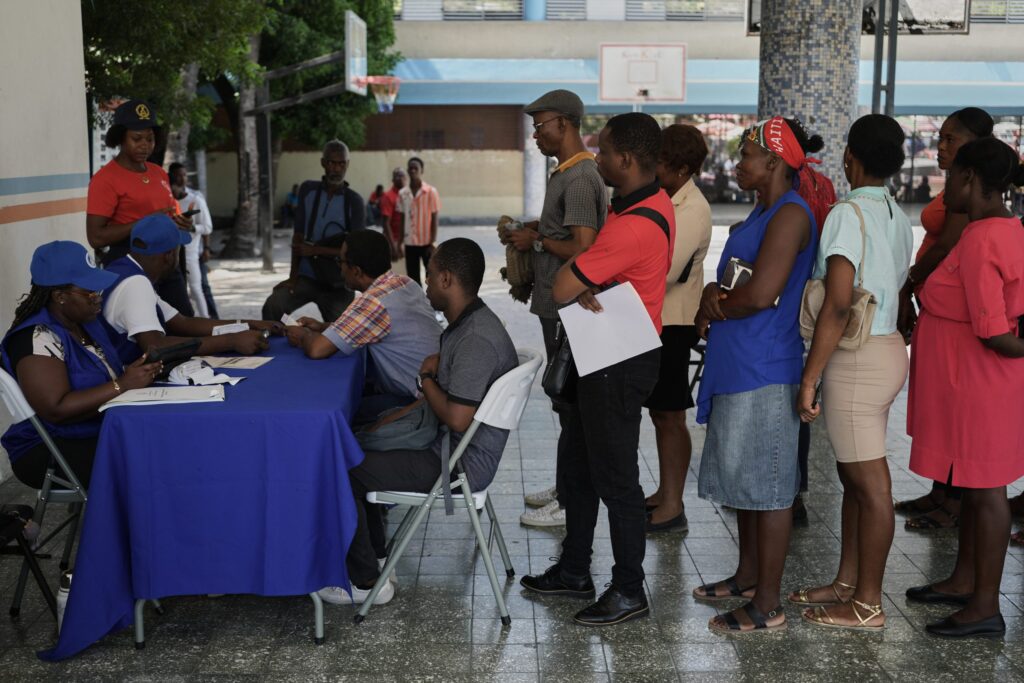
Yet the electoral process faces formidable obstacles. The country’s provisional electoral council is still reviewing applications and will announce the final slate of approved candidates in January. Haiti’s government has set an ambitious benchmark of between 3 million and 6 million registered voters to legitimize the election, but current progress falls far short. According to Wolf Pamphile, founder of the Haiti Policy House think tank, nearly one million voters have registered in a nation of nearly 12 million people. Registration rates have slowed dramatically, dropping from roughly 9,000 new voters per day to about 3,000 daily, making the government’s target increasingly difficult to reach.
Gang violence continues to plague Haiti’s path to democratic renewal. The country remains engulfed in conflict between criminal organizations and security forces, including a U.N.-backed international gang suppression force, private security contractors, and approximately 2,500 troops deployed from El Salvador. According to The Haitian Times, clashes and drone strikes targeting gangs increased by 46 percent following the Salvadoran deployment in late October, with estimated fatalities exceeding 100, including more than two dozen civilians. Despite these challenges, more than 100 political parties have registered and campaigns are underway.
The slate of candidates reflects Haiti’s complex political landscape. Michel Martelly, a musician who served as president from 2011 to 2016, has registered despite facing sanctions from Canada and the United States for alleged involvement in drug trafficking and gang sponsorship. Jean Ernest Muscadin, a prosecutor known for aggressive action against suspected gang members, has stepped down from his post to run, though the United Nations has accused him of extrajudicial killings. Other candidates include Claude Joseph, a former interim prime minister; Jocelerme Privert, a political veteran who previously served as interim president; and Jerry Tardieu, a businessman and Harvard-educated former parliamentarian.
Haiti’s ability to hold credible elections by July 2027 remains uncertain. Experts question whether the combination of persistent gang violence, insufficient voter registration, and ongoing security operations will allow the country to conduct a legitimate democratic process. The provisional electoral council’s January announcement of approved candidates will provide the next indication of whether Haiti can sustain momentum toward restoring democratic governance after years of appointed leadership and transitional councils.
Haiti has been without an elected president since July 2021, when President Jovenel Moïse was assassinated at his private residence in what was part of a failed coup attempt. The country has since been led by various appointed prime ministers and a transitional presidential council, which was dissolved in February 2026. The 2027 elections represent Haiti’s first opportunity to restore democratic legitimacy through a general vote in more than a decade.
Haiti’s electoral crisis carries profound implications for the broader Caribbean region. As the largest Caribbean nation by population and a key player in regional stability, Haiti’s success or failure in holding credible elections will influence migration patterns, security dynamics, and economic conditions affecting neighboring Caribbean states and diaspora communities throughout the region. The involvement of international actors—including a U.N.-backed force, private security firms, and troops from El Salvador—underscores how Haiti’s internal challenges have become a regional and hemispheric concern.