
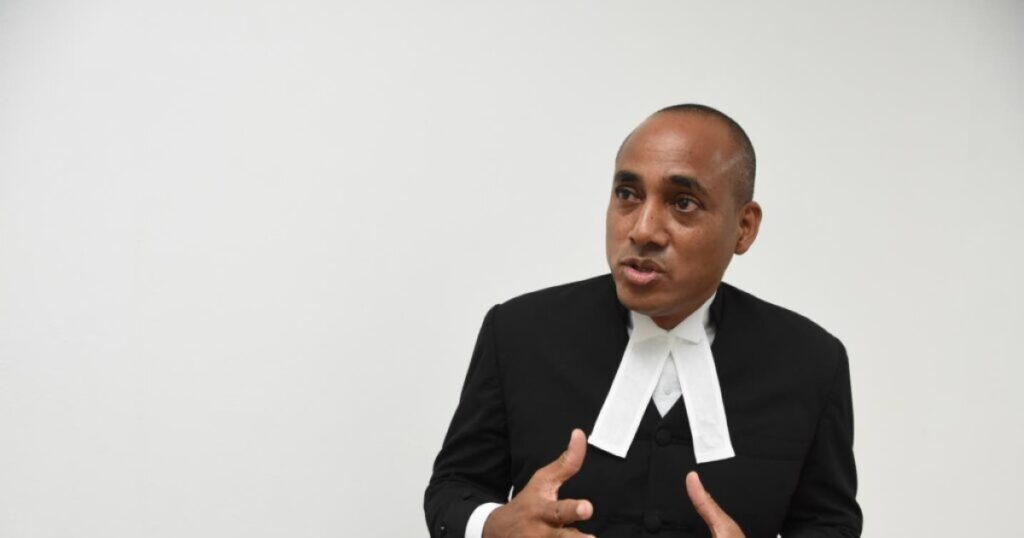
Defence Attorney Peter Champagnie KC has raised an important question about how Jamaica manages foreign nationals convicted of serious crimes: should the island bear the full cost of their incarceration? Speaking to the Jamaica Observer, Champagnie argued that Jamaica should explore bilateral agreements allowing such offenders to complete their sentences in their home countries instead.
Champagnie pointed to the substantial financial burden on Jamaica’s prison system. According to his assessment, maintaining a single inmate for one year costs between $1 million and $1.5 million. He noted that more economically developed nations have already established mechanisms to transfer foreign prisoners home, a practice he believes Jamaica should adopt through formal memoranda of understanding involving the ministries of foreign affairs, national security, and justice.
His remarks came following the sentencing of three Colombian fishermen—Lucio Henry, Arith Lopez, and Klein Sinclair Robinson—who were convicted of cocaine trafficking after being intercepted by the Jamaica Defence Force Coast Guard off Alligator Pond, St Elizabeth, in March. The men were found with 99 knitted bags of cocaine valued at more than $1 billion. Henry and Lopez each received 11-year sentences, while Robinson received a 10-year sentence, all to run concurrently.
Champagnie, who represented the defendants alongside attorney Able-Don Foote, emphasized the economic logic of his proposal. With the three Colombians now facing seven to eight years in Jamaican custody, the state will bear substantial costs for their maintenance—an expense he contends could be eliminated through international agreements. He also noted that foreign prisoners face additional hardship in Jamaica, including language barriers that complicate their incarceration experience.
The sentencing guidelines applied by Justice Dale Palmer reflected the seriousness of the offences, though they fell short of the maximum 35-year penalty available under the Dangerous Drugs Act. Palmer indicated that the full maximum would have been imposed had the men proceeded to trial rather than accepting a plea agreement. The court also ordered forfeiture of the 40-foot vessel and three outboard engines seized during the interception.
Jamaica’s prison system faces significant overcrowding and resource constraints. The cost of incarceration represents a substantial burden on the state budget, particularly when housing foreign nationals serving lengthy sentences for serious crimes such as drug trafficking. International prisoner transfer agreements, already established by many developed nations, allow offenders to serve sentences in their home countries, reducing costs for the imprisoning state while addressing concerns about foreign prisoners’ welfare and rehabilitation prospects.
As a Caribbean nation with significant drug trafficking activity and limited resources, Jamaica faces recurring challenges in managing foreign nationals convicted of serious crimes. The cost implications Champagnie raises are relevant across the Caribbean, where multiple island nations struggle with prison overcrowding and budget constraints while housing foreign drug traffickers and other offenders. This discussion reflects broader regional concerns about the financial and operational impact of international crime on small island economies.
Sources and attribution
- Jamaica Observer
- UK signs deal to send Jamaican prisoners home
- Information pack for British nationals arrested or detained …
- Foreign National Prisoners – Hansard – UK Parliament
- Colombians held in $1.6-b cocaine bust blame gang | Roadblock Radio
CVCA Express Draft: verification pending; WordPress publication is manual.