
EDITORIAL REVIEW REQUIRED — EXPRESS DRAFT. This is an unpublished draft. Some claims may be unconfirmed. Check dates, sources, claims, photographs, and video rights before publishing.
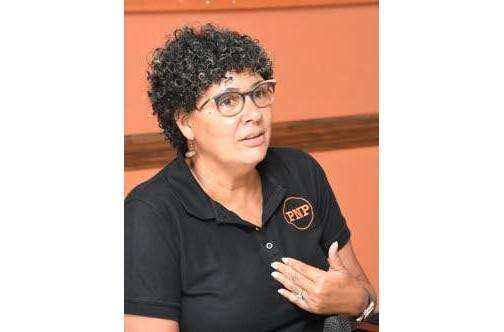
Jamaica’s People’s National Party Women’s Movement has drawn a sharp distinction between defending women from discrimination and demanding accountability from female public officials. According to the Jamaica Observer, the movement’s president Patricia Duncan-Sutherland rejected claims by Generation 2000 that Opposition Leader Mark Golding’s criticism of Speaker Juliet Holness reflects gender prejudice.
Duncan-Sutherland emphasized that women deserve respect but should not be shielded from examination of their decisions and performance in office. She argued that conflating legitimate policy criticism with misogyny diminishes the real struggles faced by women experiencing genuine discrimination in society.
The movement’s concerns centre on how Holness has managed parliamentary proceedings and her ability to protect the Opposition’s constitutional role in holding government accountable. Duncan-Sutherland questioned remarks the Speaker made in an interview suggesting she won her position on a party ticket and would need to maintain that support to remain in office—a position the PNP Women’s Movement views as incompatible with the Speaker’s duty to act as an impartial arbiter of parliamentary business.
The movement also cited what it characterized as the Speaker’s use of Standing Orders discretion to limit debate unfavourable to the Government, pointing to parliamentary proceedings from the previous Tuesday as an example. Duncan-Sutherland maintained that concerns about the Speaker’s conduct should be evaluated on their substantive merits, not dismissed as attacks rooted in gender bias.
The Speaker of Jamaica’s House of Representatives is elected by parliament and holds a position intended to be non-partisan, overseeing parliamentary procedures and protecting the rights of all members, including the Opposition. The role carries significant authority over debate and parliamentary conduct through the Standing Orders.
This debate reflects broader Caribbean discussions about gender, accountability, and the use of misogyny claims in political discourse. As Caribbean democracies continue to see more women in high office, questions about how to balance protecting women from genuine discrimination while maintaining rigorous democratic scrutiny of all officials remain relevant across the region.
Sources and attribution
- Jamaica Observer
- PNP Women's Movement Rejects Accusation Of Misogyny In Criticism Of House Speaker
- PNP Women's Movement says criticism of Speaker not misogynistic – Nationwide 90FM
CVCA Express Draft: verification pending; WordPress publication is manual.