
EDITORIAL REVIEW REQUIRED — EXPRESS DRAFT. This is an unpublished draft. Some claims may be unconfirmed. Check dates, sources, claims, photographs, and video rights before publishing.
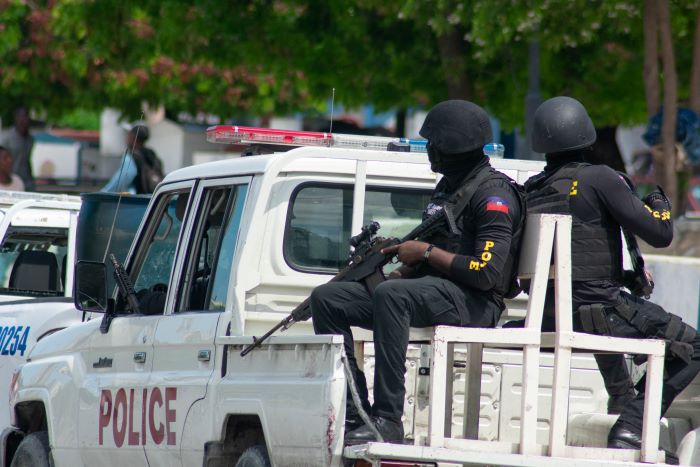
Haiti’s security forces have successfully reclaimed the Sylvio Cator Stadium, the country’s primary sports venue, ending a two-year period during which gangs maintained control of the facility. According to the Jamaica Observer, the Haitian National Police and a private security task force working with the government executed the operation, after which Salvadoran soldiers assumed responsibility for securing the stadium.
The stadium’s recapture forms part of a larger security initiative launched by El Salvador’s President Nayib Bukele, who deployed approximately 2,000 troops to Haiti. Bukele announced last Tuesday that his forces had destroyed the headquarters of 400 Mawozo, identified as one of Haiti’s principal criminal organizations. The Salvadoran military presence was originally ordered to locate four Salvadoran soldiers who went missing following an ambush on October 18 in Port-au-Prince.
The stadium’s fall to gang control in 2024 had forced Haiti’s national football team to relocate its World Cup qualifying matches to Curaçao. Despite playing away from home, the team—composed almost entirely of players living outside Haiti—secured qualification for the 2026 World Cup, though they were eliminated during the group stage. The recapture of the venue signals a potential turning point in Haiti’s ability to reclaim spaces from criminal organizations that have dominated much of the nation.
Haiti, the poorest country in Latin America and the Caribbean, has experienced escalating gang violence that has severely disrupted daily life and governance. The security crisis prompted the formation of a transitional ruling council following the resignation of the prime minister, with international military support becoming increasingly central to efforts to restore order.
The situation in Haiti directly affects the broader Caribbean region, as gang violence and instability in the nation have implications for regional security, migration patterns, and the ability of Caribbean nations to maintain diplomatic and economic ties. Haiti’s struggle to reclaim control of its own institutions resonates across the Caribbean diaspora and neighboring island nations.
Sources and attribution
- Jamaica Observer
- Haitian PM praises El Salvador after joint strike on alleged home of gang leader
- Haiti gang leader seeks UN talks as El Salvador sends 2,000 troops to hunt for missing soldiers
- El Salvador rushes some 1,000 troops to Haiti after gang ambush, source says
- Haiti task force strikes 400 Mawozo residence with drones
CVCA Express Draft: verification pending; WordPress publication is manual.