
EDITORIAL REVIEW REQUIRED — EXPRESS DRAFT. This is an unpublished draft. Some claims may be unconfirmed. Check dates, sources, claims, photographs, and video rights before publishing.
Dominica’s push to modernise its electoral system through the Electoral Commission Act of 2024 has run into a credibility wall, according to reporting from The Sun. The legislation aims to reinforce the Commission’s independence and establish clear ethical standards, but revelations about the professional entanglements of sitting commissioners have raised serious questions about whether those safeguards will prove meaningful in practice.
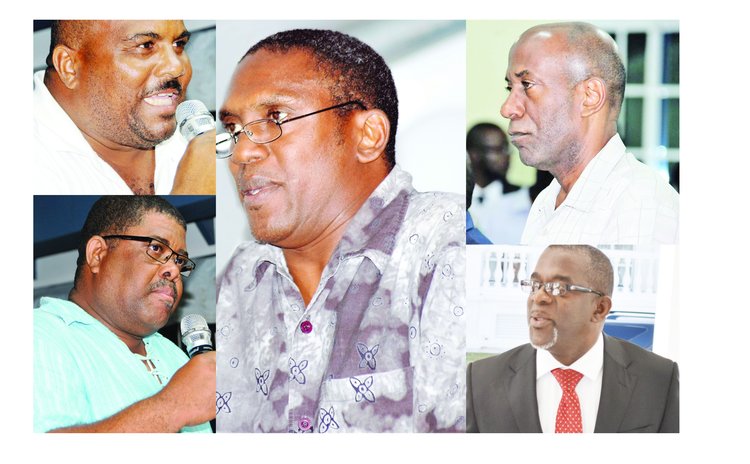
At the centre of the controversy is the involvement of three Electoral Commission members, including Chairman Duncan Stowe, in Dominica’s Citizenship by Investment programme. Under this scheme, the government grants exclusive seller licenses to market Dominican passports to foreign investors. Critics argue that this dual role creates an inherent conflict of interest: commissioners appointed by the Prime Minister now depend financially on decisions controlled by that same government, potentially compromising their ability to oversee elections impartially.
The new Electoral Commission Act does introduce several protections. Members must disclose conflicts of interest, refrain from partisan activity, and submit to annual audits and financial accountability measures. The legislation explicitly states that the Commission must operate free from external direction or control. Yet according to The Sun’s analysis, these provisions stop short of addressing the systemic problem at hand. The Act does not establish eligibility criteria to disqualify individuals with entanglements in politically sensitive economic programmes, nor does it change the appointment framework that allows political actors to maintain control over the body.
Electoral expert Sir Denis Byron had recommended that the Commission be broadened to include representatives from civil society and independent entities, a move intended to reduce partisanship and strengthen public trust. The Electoral Commission Act 2024 omits this recommendation entirely. Critics suggest this reflects government reluctance to dilute its influence over electoral oversight, leaving the fundamental balance of power unchanged despite the reform effort.
The stakes are high. The Commission’s responsibilities include voter registration, election management, and dispute resolution—functions that demand public confidence in their fairness. When commissioners are perceived as financially aligned with the ruling party, opposition parties and civil society may reasonably question whether these processes can be conducted impartially. As The Sun notes, credibility in elections depends not only on actual fairness but on the public’s belief that fairness exists.
Dominica’s Electoral Commission is constitutionally mandated to conduct elections in a free, fair, and transparent manner. The Citizenship by Investment programme is a government scheme that grants economic citizenship to foreign investors; the programme has been described as controversial and is often linked to the Prime Minister’s office.
Electoral integrity is foundational to democratic governance across the Caribbean. Dominica’s struggle to balance electoral reform with entrenched political interests reflects broader regional challenges in strengthening independent institutions while managing political influence over key governance bodies.
Sources and attribution
- The Sun
- Become an Authorised Agent – Dominica Citizenship by Investment
- 2024 ELECTORAL COMMISSION ACT.pmd
- The Responsibilities of the President
- Voting in Dominica – Office of the President
CVCA Express Draft: verification pending; WordPress publication is manual.