
EDITORIAL REVIEW REQUIRED — EXPRESS DRAFT. This is an unpublished draft. Some claims may be unconfirmed. Check dates, sources, claims, photographs, and video rights before publishing.
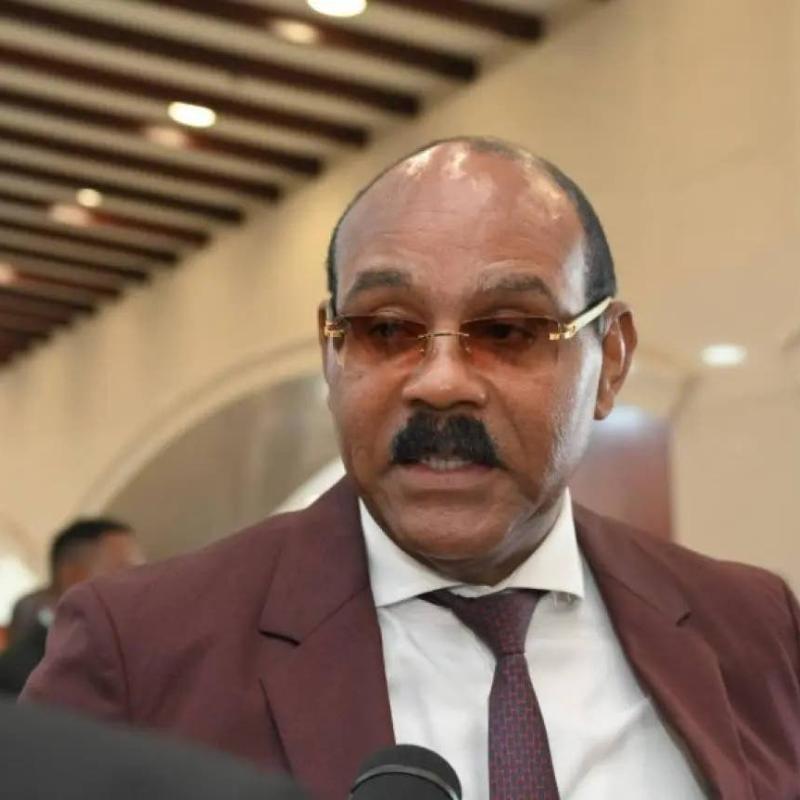
Prime Minister Gaston Browne of Antigua and Barbuda has publicly disclosed that his government reversed its position on a recent United Nations resolution concerning Cuba after receiving a direct warning from the US State Department. Speaking on his weekly radio programme, Browne explained that Washington cautioned that supporting the resolution would damage ongoing negotiations over visa access for Antiguan nationals, according to reporting from the Jamaica Gleaner.
Browne stated that he had initially instructed Antigua and Barbuda’s UN ambassador to abstain from the October 28 vote rather than support Cuba as originally planned. However, the ambassador was ultimately recorded as absent when the vote took place. The prime minister acknowledged uncertainty about why his instructions were not followed, but confirmed that the government’s decision to shift its stance was driven by the State Department’s concerns about the visa talks.
The vote revealed a divided Caribbean Community response to the resolution. Jamaica, Haiti, and Guyana abstained, while Trinidad and Tobago voted against the measure. Eight other CARICOM nations—The Bahamas, Belize, Barbados, Grenada, St Vincent and the Grenadines, St Kitts and Nevis, and Suriname—voted in favour. Antigua and Barbuda, Dominica, and St Lucia were marked absent.
Browne expressed frustration about the broader visa situation, noting that Antigua and Barbuda has maintained good relations with the United States and questioned why securing visas had become so difficult for citizens. He speculated that the US position might be connected to Antigua’s Citizenship by Investment Programme, which grants citizenship to foreign investors. In response, Browne announced that his government has agreed to suspend the CBI programme effective November 12, following discussions with the European Union.
The prime minister acknowledged that the visa issue extends beyond the State Department, suggesting that a determination made at the White House level is complicating diplomatic efforts. He noted that while State Department officials are working to address the matter, the underlying decision-making remains opaque. Browne’s candid disclosure underscores the delicate balancing act small Caribbean nations must perform when navigating geopolitical pressures from larger powers.
The October 28 UN vote concerned a resolution on Cuba, with Caribbean nations split in their response. The US maintains a long-standing trade and economic embargo against Cuba. Trinidad and Tobago’s Prime Minister Kamla Persad-Bissessar defended her country’s vote against the resolution, citing principles of opposing oppression and exploitation.
This story directly affects Caribbean citizens’ ability to travel to and work in the United States. The visa restrictions Browne describes impact ordinary Antiguans and Barbudans, and the incident illustrates how geopolitical pressure from Washington can influence Caribbean governments’ UN voting patterns and domestic policy decisions like the CBI programme.
Sources and attribution
- Jamaica Gleaner
- Antigua and Barbuda changed UN vote on Cuba following …
- Government of A & B responds to European Union …
CVCA Express Draft: verification pending; WordPress publication is manual.