
EDITORIAL REVIEW REQUIRED — EXPRESS DRAFT. This is an unpublished draft. Some claims may be unconfirmed. Check dates, sources, claims, photographs, and video rights before publishing.
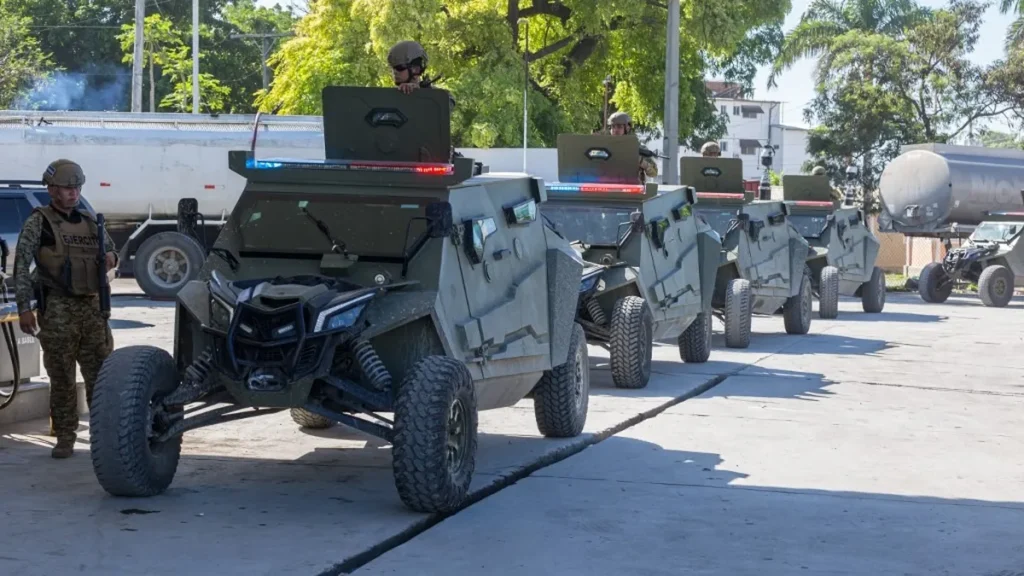
Amnesty International has pressed El Salvador and Haiti to make public the details of their military cooperation agreement and establish safeguards for human rights as Salvadoran forces conduct operations in the Caribbean nation. According to reporting from Guadeloupe La 1ère, the call for transparency came on November 9, 2026, as more than 2,000 Salvadoran soldiers continued operations that began in late October.
The official justification for the deployment centers on locating four missing Salvadoran military personnel who disappeared following a gang attack on October 18. Their burned-out vehicle was discovered on November 2 in the Santo sector near Port-au-Prince. However, the scale and scope of the operation—conducted outside international frameworks but with U.S. backing—has raised questions about whether the mission extends beyond a rescue operation.
Ana Piquer, Amnesty International’s director for the Americas, emphasized that both governments must guarantee all Salvadoran military operations respect human rights and called for mechanisms allowing civilians to report abuses without fear of retaliation. The organization has flagged the risk of a humanitarian crisis, according to the report.
Analysts have suggested that Salvadoran President Nayib Bukele may be attempting to export his country’s aggressive anti-crime approach to Haiti, where security solutions have repeatedly failed despite the presence of an international peacekeeping force. Bukele’s methods have drawn criticism from human rights defenders who document arbitrary arrests, torture allegations, and wrongful imprisonments.
Meanwhile, the United Nations continues its own international mission against gang violence in Haiti, though results have been disappointing. The mission struggles to reach its target of 5,500 military and 50 civilian personnel due to difficulty mobilizing sufficient contributing nations. In early November, 525 tonnes of equipment financed by Germany and sourced from Bangladesh were shipped to support field operations.
Haiti has been gripped by escalating gang violence for years, with armed groups terrorizing the population despite the presence of an international security mission. The country’s security crisis has become increasingly dire, prompting neighboring nations and international actors to consider direct intervention. El Salvador, under President Nayib Bukele, has pursued an aggressive anti-gang strategy at home that has drawn both domestic support and international human rights scrutiny.
This deployment directly affects Haiti and has implications for regional security approaches across the Caribbean. For diaspora communities with ties to Haiti, the operation raises concerns about civilian safety and the methods used to combat gang violence. The story also reflects broader questions about how Caribbean and Latin American nations coordinate security responses and whether hardline tactics from one country can be effectively—or responsibly—applied elsewhere in the region.
Sources and attribution
- Guadeloupe La 1ère
- Armed Forces confirm ambush on four Salvadoran soldiers in Haiti; efforts to make contact continue | Qué Pasa Today
- Haiti Finds the Burned Vehicle of Four Missing Salvadoran …
- Haiti's police recover the burned vehicle of the four missing Salvadoran aviation technicians | Qué Pasa Today
- El Salvador confirms more than 2,000 troops in Haiti to search for its four missing soldiers | Qué Pasa Today
CVCA Express Draft: verification pending; WordPress publication is manual.