
EDITORIAL REVIEW REQUIRED — EXPRESS DRAFT. This is an unpublished draft. Some claims may be unconfirmed. Check dates, sources, claims, photographs, and video rights before publishing.
José Gaddarkhan, president of Guadeloupe’s regional construction federation, spent more than 10 hours in gendarmerie custody on November 9, 2026, according to reporting from Guadeloupe La 1ère. He faces charges of obstruction, illegal waste disposal, and endangering public safety—allegations stemming from asbestos-contaminated rubble blockades placed on public roads in mid-October.
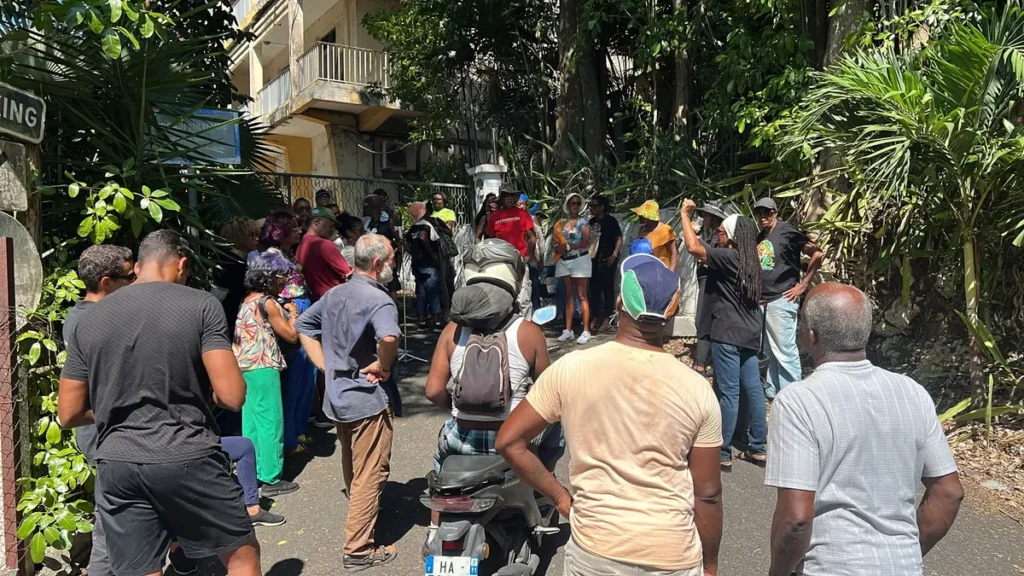
The detention sparked immediate mobilization from the Nou Las Palé collective, which organized a slow-moving protest convoy that blocked the strategic La Gabarre bridge and entered the Jarry industrial zone. Members gathered at the gendarmerie where Gaddarkhan was held, refusing to disperse until his release. The entrepreneur was eventually freed that evening to cheers from supporters, though he appeared visibly worn by the experience.
The charges against Gaddarkhan stem from investigations initiated by the regional prefect and complaints from residents and businesses in Jarry, who cited health and economic consequences from the asbestos-laced debris. According to the prosecutor’s statement cited by the outlet, video evidence identified trucks from two construction companies, and investigators found that waste materials came from a property partly owned by one detainee and used by his son’s waste treatment business.
The Nou Las Palé collective views Gaddarkhan’s prosecution as a deliberate attempt to silence their broader social movement. Hubert Quiaba, a spokesperson for the group, told the outlet that authorities appear determined to suppress the collective despite widespread public sympathy for their core demands around water access, living costs, fuel prices, education, and business tax burdens.
Frustration has intensified following a visit by France’s overseas minister, Naïma Moutchou, who met with representatives of the collective but made no concrete commitments. The group had hoped for direct negotiations, potentially involving the sub-prefect of Pointe-à-Pitre, but says the minister’s team provided no timeline or agreements. Quiaba stated that the collective will not accept vague promises and vowed to continue mobilization efforts.
With no resolution in sight and tensions running high, further disruptions to Guadeloupe’s roads and commerce appear likely in the coming days.
The Nou Las Palé collective has led sustained social mobilization in Guadeloupe since mid-October 2026, protesting the cost of living, water crisis, fuel prices, education, and business tax burdens. The movement gained particular attention when asbestos-contaminated rubble was placed on roads in Jarry as a form of blockade, triggering investigations and legal action against key figures including Gaddarkhan.
This story reflects broader struggles across the Caribbean diaspora around cost of living, access to essential services like water, and the tension between grassroots activism and state authority. The criminalization of protest tactics and the failure of high-level political engagement to produce tangible results mirror patterns seen in other Caribbean territories facing similar economic and social pressures.
Sources and attribution
- Guadeloupe La 1ère
- José Gaddarkhan ressort libre de sa garde à vue : « Ce n'est pas fini, l'enquête continue »
- Naïma Moutchou à Pointe-à-Pitre, entre tensions sociales et promesse de dialogue
CVCA Express Draft: verification pending; WordPress publication is manual.