
EDITORIAL REVIEW REQUIRED — EXPRESS DRAFT. This is an unpublished draft. Some claims may be unconfirmed. Check dates, sources, claims, photographs, and video rights before publishing.
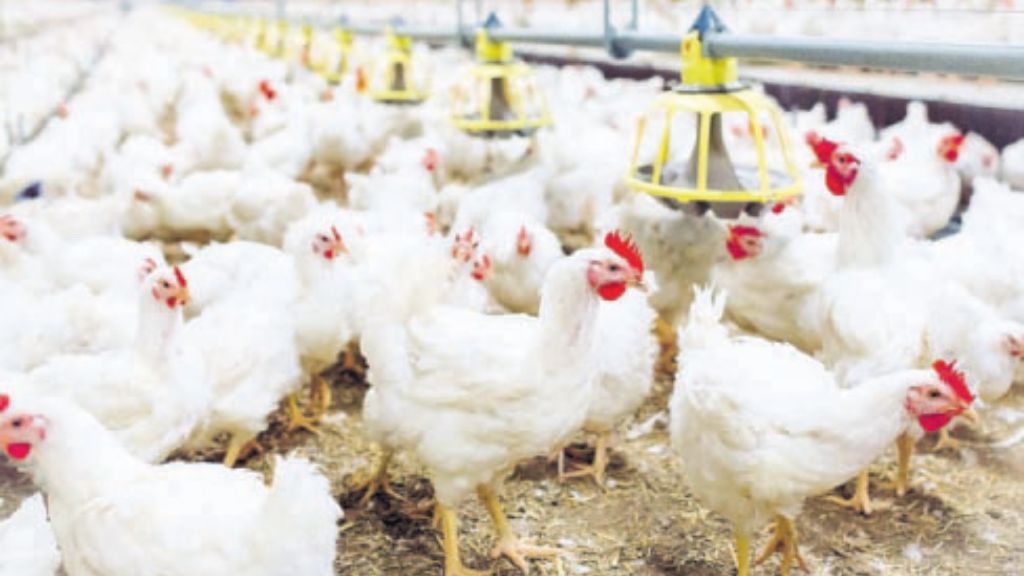
Barbados is reinforcing its biosecurity defences after a highly pathogenic avian influenza outbreak struck a commercial poultry operation in Suriname last month. According to the Jamaica Observer, Surinamese authorities confirmed the H5 strain of bird flu in September, resulting in the deaths of roughly 5,000 broiler chickens in the Wanica and Paramaribo area, with the remaining birds at the affected farm subsequently culled.
Dr Mark Trotman, Barbados’ Chief Veterinary Officer, told local media that while the country has not introduced specific restrictions on Surinamese imports, it is strengthening surveillance at ports of entry to intercept potential illegal shipments of poultry and meat products. He noted that authorised imports are already subject to strict permitting and quarantine protocols, and the limited commercial poultry trade between the two nations reduces the risk of disease transmission through legitimate channels.
The primary concern, Trotman explained, centres on unauthorised imports and the potential consequences for Barbados’ agricultural production and food security should the virus establish itself in local poultry farms. He urged farmers to maintain rigorous biosecurity practices and report any signs of sudden illness in their birds to veterinary authorities.
Barbados is also moving to strengthen its diagnostic capacity, with a new veterinary laboratory expected to be completed later in 2026. Currently, the Veterinary Services Department has limited ability to conduct preliminary testing and relies on overseas reference laboratories for confirmation, though Trotman said a rapid response mechanism is in place should an outbreak occur locally.
The Suriname situation was discussed at a recent meeting of Caribbean Community chief veterinary officers, where Trotman said veterinary assistance was offered to Surinamese counterparts. However, the outbreak did not trigger widespread alarm among regional officials attending the gathering, suggesting confidence in existing containment measures across the Caribbean.
Highly pathogenic avian influenza poses significant risks to poultry operations and food security across the Caribbean region. The H5 strain is particularly concerning due to its mortality rate and potential for rapid spread in commercial farming operations.
As a regional outbreak, the Suriname bird flu case demonstrates the interconnected nature of Caribbean agriculture and food security. Barbados’ response reflects broader regional vigilance about disease control and the importance of coordinated veterinary protocols across Caricom member states.
Sources and attribution
- Jamaica Observer
- Uitbraak vogelgriep wordt nauwkeurig gemonitord
- Suriname detects H5 bird flu after mass chicken deaths at poultry farm
- Suriname closely monitors avian flu outbreak
- Port checks stepped up after Suriname bird flu outbreak
CVCA Express Draft: verification pending; WordPress publication is manual.