
EDITORIAL REVIEW REQUIRED — EXPRESS DRAFT. This is an unpublished draft. Some claims may be unconfirmed. Check dates, sources, claims, photographs, and video rights before publishing.
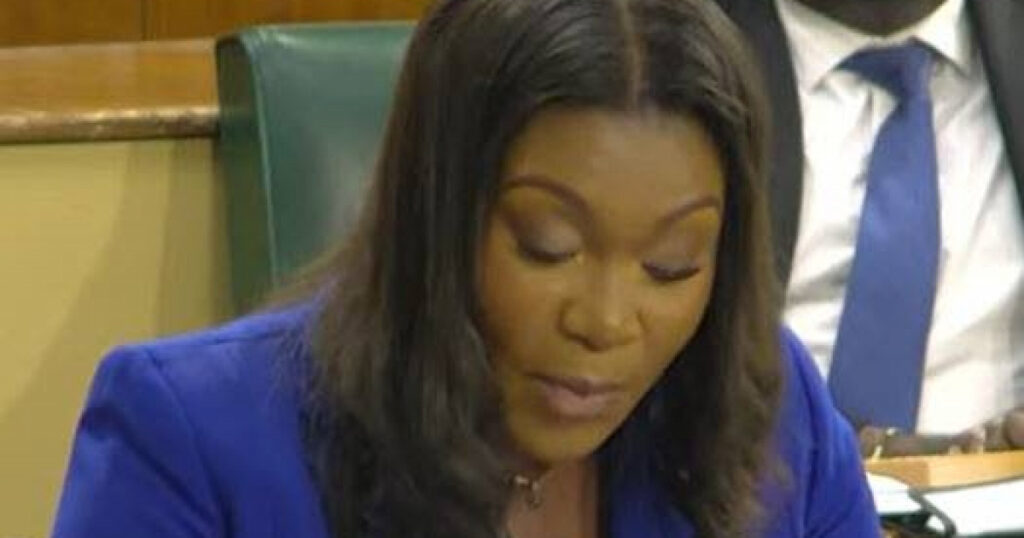
Jamaica’s Opposition is pushing back against the government’s plan to toughen penalties for illegal firearm possession, arguing that the proposal misses the mark on what the justice system actually needs. According to the Jamaica Observer, Opposition Spokesperson on Justice Zuleika Jess has raised concerns about the National Security Council’s recommendation to increase the mandatory minimum sentence from 15 to 20 years, saying the move addresses headlines rather than operational reality.
Jess contends that Jamaica’s current rigid sentencing framework has created a deeper problem: the complete collapse of plea bargaining. When defendants face an inflexible, severe baseline sentence with no incentive to plead guilty early, they opt for full trials instead. This has created a backlog in the courts and delayed justice for victims of violent crime, she explained. The Opposition argues that simply raising the minimum to 20 years without addressing this underlying dysfunction will only make matters worse.
The Opposition is formally calling for an "exceptional circumstances clause" to be written into the law, which would empower judges to weigh mitigating factors and the unique details of each case. Jess emphasized that judges should not become "rubber stamps," and that true justice requires context—the ability to distinguish between a hardened gang leader and someone acting under duress or coercion. Legal stakeholders including the Jamaican Bar Association and the Advocates’ Association of Jamaica have previously raised alarms about how stripping judges of discretion harms court efficiency.
While the Opposition reaffirms its commitment to removing illegal firearms from Jamaica’s streets and dismantling criminal enterprises, it is calling for a balanced, bipartisan approach. Jess welcomed targeted legislation to penalize adults who groom children to carry guns, but stressed that effective crime fighting requires systemic balance, operational functionality, and constitutional soundness—not simply higher numbers on a sentencing scale.
Jamaica has been grappling with gun violence and the illegal firearms trade for years. Mandatory minimum sentencing laws have been used as a tool to deter illegal gun possession, but the rigid framework has created unintended consequences in the court system, particularly by eliminating judges’ ability to negotiate plea agreements that might otherwise resolve cases more quickly.
Gun violence and mandatory sentencing are critical issues across the Caribbean. Jamaica’s experience with rigid firearms laws and their impact on court efficiency offers lessons for other Caribbean nations considering similar legislation. The debate between tough penalties and judicial flexibility reflects broader regional tensions between public safety demands and the need for functional, fair justice systems.
Sources and attribution
- Jamaica Observer
- Strong Penalties Must Be Maintained for Serious Firearm …
- Jamaica faces UN scrutiny – Advocates say proposed gun …
CVCA Express Draft: verification pending; WordPress publication is manual.