
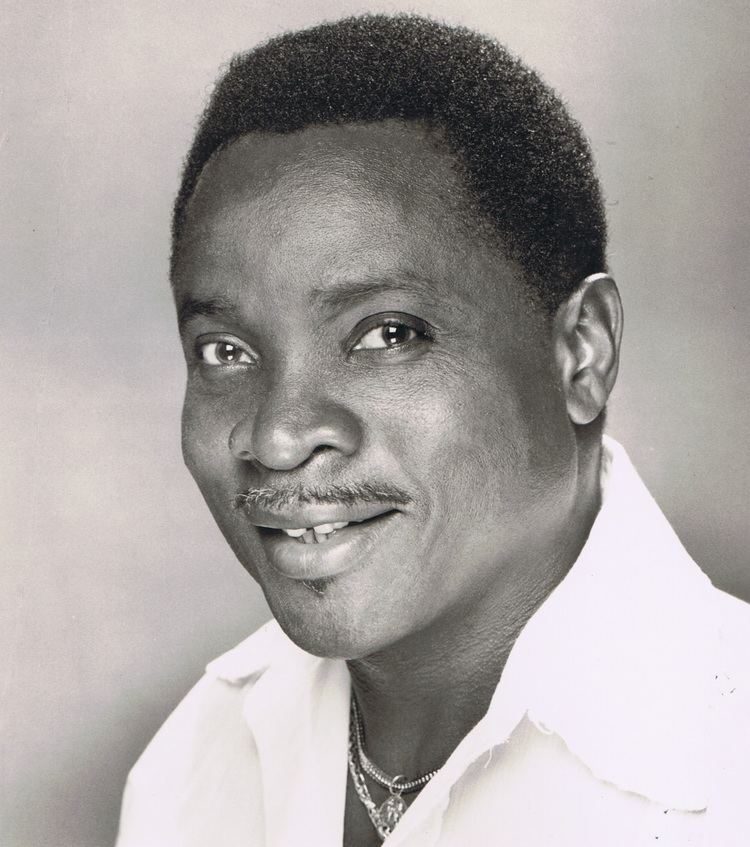
Slinger Francisco, the legendary calypsonian who defined post-colonial Caribbean identity through fearless social commentary and infectious rhythm, has passed away in New York.
The Caribbean and its global diaspora are mourning the loss of one of the region’s most transformative cultural figures. According to Kaieteur News, Slinger Francisco—known worldwide as The Mighty Sparrow—passed away peacefully on Sunday, September 27, 2026, at a New York hospital at age 91, surrounded by family. His daughter Karen Francisco announced that he had succumbed to a brief illness.
Francisco’s artistic journey began in Grand Roi Village, Grenada, on July 9, 1935, before his parents brought him to Trinidad as a young child. He received early vocal training through church choirs and school performances, drawing inspiration from American standards before making his historic calypso debut during the 1955 Carnival season with “The High Cost of Living.” A transformative tour of Guyana that same year set the stage for his breakthrough: in 1956, he captured both the Calypso King and Road March titles with “Jean and Dinah,” launching a career that would span seven decades.
Francisco’s prolific songwriting became a fearless chronicle of post-colonial Caribbean experience. Tracks such as “Education,” “Capitalism Gone Mad,” “Congo Man,” and “Saltfish” balanced sharp social satire with humor and infectious rhythm, addressing political scandals, gender dynamics, and everyday island realities. Over his lifetime, he accumulated eight Calypso Monarch titles, eight Road March crowns, and the Calypso King of Kings designation—a record of artistic dominance unmatched in the region’s history.
His influence extended far beyond the Caribbean. Francisco toured extensively across Africa, North America, and Europe, earning recognition from governments and institutions worldwide. In 1977, Nigeria honored him with traditional Chieftaincy status. Closer to home, he received an Honorary Doctor of Letters from the University of the West Indies in 1987 and Trinidad and Tobago’s Chaconia Medal (Gold) in 1993. In 2001, CARICOM presented him with the Order of the Caribbean Community Award, recognizing him as “the Caribbean’s most celebrated and renowned entertainer, social commentator and ambassador extraordinaire.”
In her statement, his daughter revealed a deeply personal spiritual milestone, noting that before his passing, Francisco gave his heart to Jesus Christ and was baptized in the Seventh-day Adventist faith. The family has asked for privacy as they grieve and prepare to celebrate his life, inviting tributes on social media tagged @therealmightysparrow. The National Archives of Trinidad and Tobago extended condolences to his family and the global Caribbean community, acknowledging the closing of a golden era in regional history.
The Mighty Sparrow emerged during Trinidad and Tobago’s post-independence period, when calypso evolved from Carnival entertainment into a sophisticated vehicle for social and political commentary. His career spanned the decolonization era through the early 21st century, making him a living bridge between generations of Caribbean artists and audiences. His influence shaped how subsequent calypsonians approached their craft, establishing the genre’s potential as a platform for serious cultural discourse.
The Mighty Sparrow was more than an entertainer—he was the Caribbean’s voice to itself and the world. For diaspora communities across North America, Europe, and Africa, his music articulated the post-colonial experience with wit and dignity. His passing marks the end of an era for anyone who grew up with calypso as the soundtrack to Caribbean identity, making this loss deeply personal across the region and its diaspora.
Written & Edited by Orlyn Edwards. Published by Caribbean Air Force Media.
Category: Carnival · Island routing: Guyana