
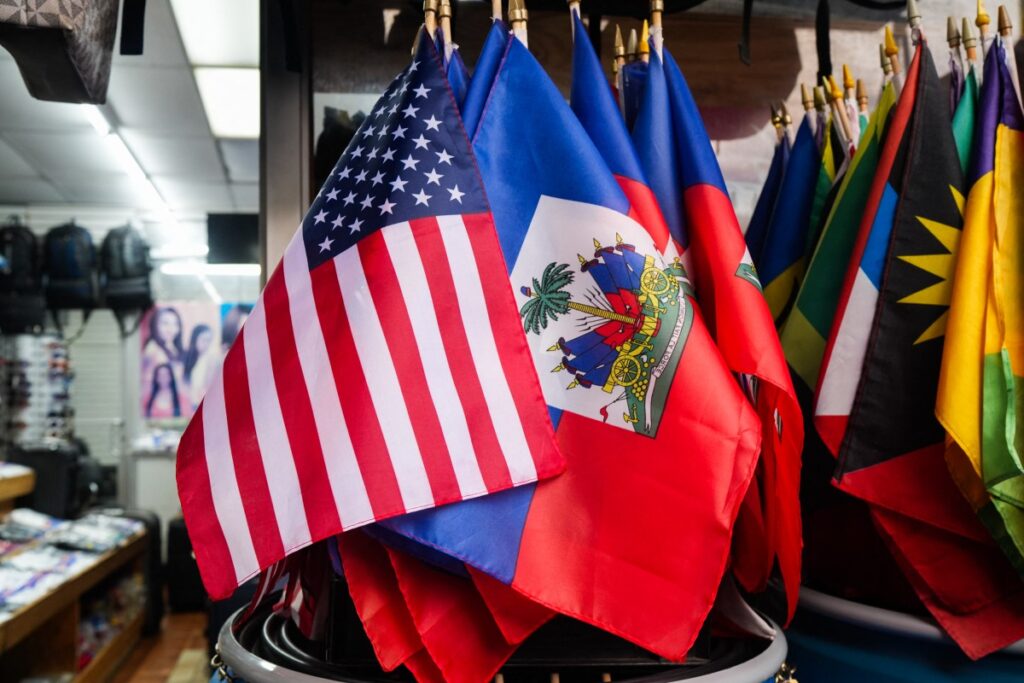
Hundreds of thousands of Haitian immigrants who held Temporary Protected Status and worked in American hospitals and nursing homes now face removal, leaving healthcare facilities scrambling to fill critical gaps.
Rachelle, a New York nurse in her 30s, now spends her days at home, afraid to venture outside. Once protected under Temporary Protected Status, she lost her legal standing to work in the United States when the Trump administration revoked TPS for Haitians at the end of July 2026. Her employer terminated her immediately, leaving her in limbo—unable to work, fearful of detention by Immigration and Customs Enforcement agents, and uncertain about her future in a country where she has built her life.
Rachelle’s predicament mirrors that of hundreds of thousands of Haitian immigrants across America. When TPS protections ended, approximately 350,000 Haitians lost their legal status, with roughly one-third working in the healthcare sector, according to reporting from AFP. The consequences have been immediate and severe. In New York City alone, one healthcare workers’ union documented the firing of 21 workers from a single facility, while a nearby nursing home laid off hundreds. In Florida, home care agencies have been forced to shut their doors entirely, unable to operate without the workforce that once sustained them.
The healthcare industry, already stretched thin by chronic staffing shortages, now faces what union leaders describe as “chaos.” Denise Bellville, who represents home care sector stakeholders, explained that while some workers continue caring for patients without documentation—risking arrest—most employers have accepted defeat and conducted mass layoffs. Replacing these workers has proven nearly impossible. The positions they held—nursing assistants, personal care aides, and home care providers—are among the lowest-paying in healthcare, roles that American workers typically avoid in favour of better-compensated alternatives.
The ripple effects extend far beyond employment statistics. Patients receiving home care face the prospect of losing their ability to remain in their own residences. Vulnerable populations who depended on continuity of care now confront uncertainty. For Rachelle personally, the stakes are even higher: her son, whom she raises alone, has a neurodevelopmental disorder requiring specialized support that would be unavailable to her in Haiti, where she cannot return due to ongoing security instability.
The Trump administration has extended its TPS revocations beyond Haiti, also terminating protected status for immigrants from Ethiopia, South Sudan, and Yemen, with further removals expected for Ukraine and others. This broader campaign threatens over a million immigrants with deportation. Healthcare worker associations, industry leaders, and local officials have appealed to Congress to reverse course. A bill to reinstate Haitian protected status passed the House of Representatives in April 2026 and awaits Senate action, though its prospects remain uncertain.
Temporary Protected Status was established following Haiti’s catastrophic 2010 earthquake, allowing nationals from countries experiencing armed conflict, environmental disasters, or epidemic disease to remain and work legally in the United States. The designation has been a lifeline for hundreds of thousands of Haitians navigating their country’s ongoing instability and economic hardship.
This story directly affects Caribbean nationals and diaspora communities across North America. Haitian immigrants represent a significant portion of healthcare workers throughout the Caribbean diaspora, and their forced removal threatens not only their livelihoods but also the wellbeing of vulnerable populations they serve. The policy has implications for other Caribbean nations whose citizens hold similar protections, and reflects broader anti-immigrant sentiment that affects Caribbean migrants across the United States and Canada.
Written & Edited by Orlyn Edwards. Published by Caribbean Air Force Media.
Category: Music · Island routing: Jamaica, Haiti